How to become a qualified plant operator in the UK
Plant operators play an essential role on construction, civil engineering, groundworks, infrastructure and demolition projects across the UK. From excavators and dumpers to telehandlers and rollers, skilled operators are responsible for using heavy machinery safely and efficiently to keep projects moving.
At Construction Training Services, we provide a wide range of plant operator training courses under both NPORS and CPCS, helping individuals develop the skills, knowledge and recognised certification they need to progress their careers in construction.
But how do you become a qualified plant operator in the UK?
In this blog, we’ll explain the steps involved, the types of plant you can train to operate and how NPORS and CPCS can help you get started.
What Does a Plant Operator Do?
A plant operator is trained to operate construction machinery safely and competently on site.
Depending on your role and the type of plant you’re qualified to operate, your responsibilities could include:
- Operating construction plant and machinery
- Carrying out pre-start and daily safety checks
- Moving earth and construction materials
- Excavating trenches and foundations
- Loading and unloading materials
- Levelling and grading ground
- Working alongside groundworkers and other trades
- Following site plans and instructions
- Identifying and reporting defects
- Working safely around people, buildings and other machinery
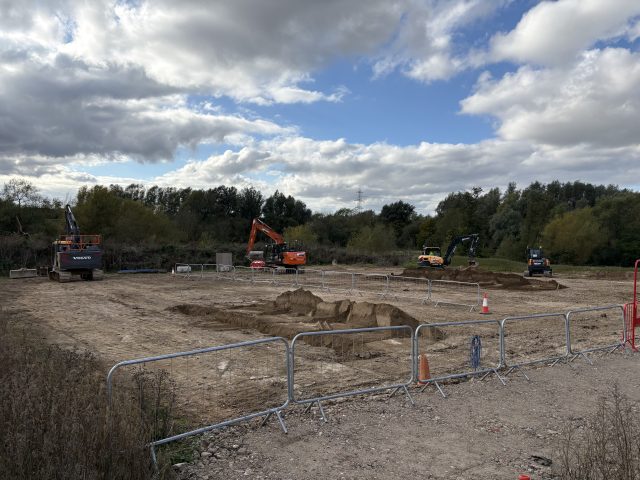
Plant operators can work across a wide variety of projects, including housebuilding, commercial construction, roadworks, utilities, civil engineering and demolition.
What Qualifications Do You Need to Become a Plant Operator?
There isn’t one single qualification that covers every type of construction plant.
Instead, you’ll normally need to complete training and assessment for the specific category or categories of machinery you want to operate.
Depending on the machinery and the requirements of your employer or site, you may train towards an NPORS or CPCS qualification.
At Construction Training Services, we offer a wide range of courses covering different types of construction plant, giving you the opportunity to choose training that matches your career goals.
Step 1: Choose Which Plant You Want to Operate
The first step is deciding which type of construction plant you’d like to operate.
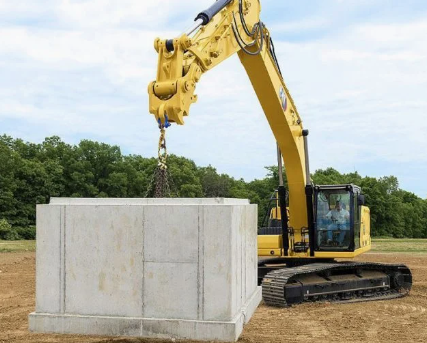
There are many different categories available, including machinery such as:
- Excavators
- Dumpers
- Telehandlers
- Rollers
- Loading shovels
- Bulldozers
- Compaction equipment
- Other construction and civil engineering plant
If you’re new to the industry, you may choose to start with one category and then expand your qualifications as you gain experience.
For example, you could begin your career by training on an excavator and later add dumper, roller or telehandler qualifications.
Holding multiple plant categories can make you more versatile and potentially give you access to a wider range of employment opportunities.
Step 2: Choose Between NPORS and CPCS
Two of the major routes for plant operator certification in the UK are NPORS and CPCS.
What is NPORS?
NPORS — the National Plant Operators Registration Scheme — is a recognised certification scheme used across the construction industry.
NPORS provides routes for operators to demonstrate their training and competence across a wide range of plant and machinery categories.
It can be a popular option for both new and experienced operators, depending on their circumstances and the requirements of the sites and employers they work with.
What is CPCS?
CPCS — the Construction Plant Competence Scheme — is another widely recognised route for demonstrating plant operator competence within the UK construction industry.
CPCS covers a broad range of plant and equipment categories and is commonly requested by construction companies and major contractors.
Which One Should You Choose?
There isn’t necessarily a single answer that applies to everyone.
The best route can depend on:
- The type of plant you want to operate
- Your previous experience
- The employers you want to work for
- The construction sites you intend to work on
- Your existing qualifications
- Your long-term career plans
If you’re unsure which route is most suitable, the team at Construction Training Services can help you identify the appropriate training pathway.
Step 3: Complete Your Plant Operator Training
Once you’ve chosen your plant category and certification route, the next step is to complete your training.
At Construction Training Services, our courses combine the knowledge and practical skills needed to operate construction plant safely and competently.
Training can cover areas such as:
- Health and safety
- Machine controls and components
- Pre-start inspections
- Safe operating procedures
- Ground conditions
- Machine stability
- Working around other people
- Site hazards
- Personal protective equipment
- Environmental considerations
- Emergency procedures
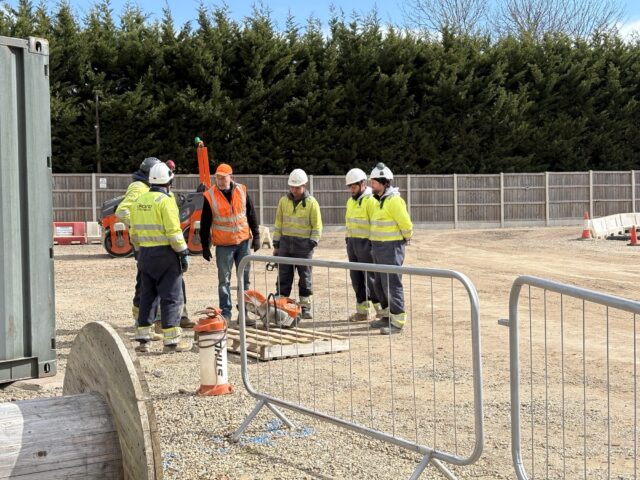
You’ll also spend time developing your practical operating skills under the guidance of an experienced instructor.
This practical experience is an essential part of becoming a competent operator.
Step 4: Complete Your Assessment
After completing your training, you’ll need to demonstrate your knowledge and practical competence through the relevant assessment.
Your assessment will test your ability to operate the machinery safely and carry out the required tasks to the appropriate standard.
Once you’ve successfully completed the assessment, you’ll receive the relevant certification or documentation for your chosen route and plant category.
Step 5: Get Your NPORS or CPCS Card
After successfully completing the appropriate training and assessment, you can progress with the relevant operator card process.
The card you need will depend on the qualification route you’ve taken and your circumstances.
Before booking a course, it’s important to establish exactly which qualification or card is required for the work you want to undertake.
If you’re unsure, speak to Construction Training Services before booking your course. We can help you understand the available options and choose training suited to your career plans.
Step 6: Gain Experience on Construction Sites
Getting your qualification is an important achievement, but practical experience is also extremely valuable.
As a new operator, you’ll need to continue developing your skills and understanding of different working environments.
With experience, you’ll become more confident in areas such as:
- Assessing ground conditions
- Working around other site personnel
- Positioning machinery safely
- Communicating with banksmen and other workers
- Carrying out effective machine checks
- Working from site plans
- Working safely around services and structures
- Operating efficiently while maintaining safety
Always work within the limits of your training and competence, and follow the requirements of the individual construction site.
Can I Become a Plant Operator With No Experience?
Yes.
You don’t necessarily need years of construction experience before starting plant operator training.
Many people use recognised plant training as a way to enter the construction industry or add a new skill to their existing experience.
If you’re new to operating machinery, professional training gives you the opportunity to learn the correct techniques in a controlled environment before progressing onto construction sites.
However, completing a course is only part of becoming a competent operator. Experience, ongoing learning and following safe working practices are all important parts of developing your career.
How Long Does Plant Operator Training Take?
The length of a plant operator course depends on several factors, including:
- The type of machinery
- Your previous operating experience
- The qualification route
- The number of categories you’re training for
- Your existing knowledge and skills
At Construction Training Services, we can discuss your existing experience and help you identify the most appropriate course for your circumstances.
How Much Does Plant Operator Training Cost?
Plant operator training costs vary depending on the machine category, qualification route, course length and your level of previous experience.
If you’re comparing training providers, don’t simply look at the cheapest course.
Consider what is included, the quality of the training, the experience of the instructors, the machinery available and the certification you’ll receive after successfully completing your assessment.
What Jobs Can You Get as a Qualified Plant Operator?
Once you’ve gained the relevant qualifications and experience, there are numerous potential career opportunities within construction and civil engineering.
Depending on your qualifications, you could work as a:
- Excavator operator
- Dumper operator
- Telehandler operator
- Roller operator
- Loading shovel operator
- Bulldozer operator
- Groundworks plant operator
- Civil engineering plant operator
- Demolition plant operator
Your opportunities will depend on the categories you’re qualified in, your experience and the requirements of individual employers.
How Can You Progress Your Plant Operator Career?
Many experienced operators continue developing their careers by gaining additional plant categories and expanding their skills.
For example, an operator might start with one machine and gradually train on additional categories to become more versatile.
With sufficient experience and additional training, there can also be opportunities to progress into positions such as:
- Senior plant operator
- Site supervisor
- Plant instructor
- Plant assessor
- Site manager
The construction industry offers a variety of potential career paths, so your first plant qualification can be the foundation for long-term progression.
Why Choose Construction Training Services?
At Construction Training Services, we understand that choosing the right training course is an important investment in your career.
We offer a wide range of NPORS and CPCS courses designed to help individuals develop the practical skills and recognised qualifications needed to operate construction plant.
Whether you’re looking to enter the construction industry, add another plant category to your existing qualifications or improve your career opportunities, our team can help you find the right training route.
Start Your Plant Operator Career
Becoming a qualified plant operator can be an excellent way to build a career in the UK’s construction industry.
The process can be summarised in six simple steps:
- Choose the type of plant you want to operate.
- Decide whether NPORS or CPCS is right for you.
- Complete your plant operator training.
- Pass the relevant assessment.
- Obtain your relevant certification or operator card.
- Build experience and continue developing your skills.
Whether you’re completely new to construction or an experienced worker looking to expand your qualifications, please speak with our friendly helpful team here at Construction Training Services where we can help you take the next step.